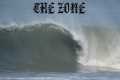
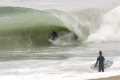
Super Sessions Ep. 1 | 6ft+ Tubes at Supertubes J-Bay w/ Grant “Twiggy” Baker & Local Chargers
1,895 View
- Publish Date:
- December 21, 2025
- Category:
- Surfing
- Video License
- Standard License
- Imported From:
- Youtube

🔥 INTRODUCING: SUPER SESSIONS 🔥
We’re digging deep into the JBayTV archives to bring you the biggest, hollowest days ever filmed at Supertubes — Video clips that have never been seen on YouTube. This new series, Super Sessions, is all about showcasing Jeffreys Bay the way it deserves to be seen.
If it’s not 6ft and barreling, you won’t see it here!
Episode 1 kicks off with World Big Wave Champion Grant “Twiggy” Baker in town @granttwigbaker joined by a stacked lineup of local chargers:
Stevie Sawyer, Remi Petersen, Simon Fish, Daniel Thornton, Warren Dean, Daniel Emslie, Ludi du Toit, Solly Fowles & Michael Hill.
Heavy waves. Proper barrels. No filler! No banter! No chit chat! Just high energy fast paced surfing.
This is Supertubes, Jeffreys Bay — presented in a manner worthy of its title as one of the world’s best right-hand pointbreaks.
Hit subscribe, sit back, and enjoy the ride — the archives are stacked.
#SuperSessions #Surfing #BigSwell #PointBreak #SurfArchive #WaveHunting
Always respect our Local surfers, sensitive beach& dune ecosystem, and our thriving Marine life.
High speed bandwidth provided by The Green Room, an ocean-minded coworking space for doing your best work, in Jbay
Surf forecasting courtesy SURFLINE
WATCH OUR REELS
Instagram: https://www.instagram.com/jbaytvofficial
-----------------------------------
Exploring Water Temperature Trends: Seasonal Variations, Ocean Warming, and the Future of Marine Ecosystems
Water temperature trends are a critical indicator of our planet's health. As we navigate the complexities of climate change, understanding how water temperatures fluctuate and affect marine life becomes increasingly important. This article delves into the seasonal variations, ocean warming, and the future of marine ecosystems, providing actionable insights and valuable information on this pressing issue.
Climate Change: The Driving Force Behind Changing Water Temperatures
Climate change is at the forefront of altering water temperature trends globally. Rising global temperatures lead to warmer oceans, which in turn affect weather patterns, sea levels, and marine biodiversity. The connection between atmospheric temperatures and oceanic changes is undeniable, and addressing climate change is essential for mitigating its impact on water temperatures.
Ocean Warming: Impacts on Marine Life and Ecosystems
Ocean warming poses significant threats to marine ecosystems. Increased temperatures can lead to coral bleaching, disrupt fish migration patterns, and reduce oxygen levels in the water. These changes not only harm marine species but also affect human communities that rely on the ocean for food, recreation, and economic activities. Understanding ocean warming is crucial for developing strategies to protect and preserve marine life.
Seasonal Variations: Understanding the Natural Fluctuations
Seasonal variations play a significant role in water temperature trends. Different seasons bring about changes in sunlight, precipitation, and wind patterns, all of which influence water temperatures. For example, summer months typically see higher sea surface temperatures, while winter brings cooler waters. Recognizing these natural fluctuations helps differentiate between regular seasonal changes and long-term trends caused by climate change.
Thermal Pollution: Human Activities Altering Water Temperatures
Thermal pollution, often resulting from industrial processes and urban runoff, introduces excess heat into water bodies. This artificial heating can disrupt local ecosystems, harming aquatic life and altering natural temperature patterns. By minimizing thermal pollution through better regulation and sustainable practices, we can help maintain healthier water temperatures and protect marine environments.
The Hydrological Cycle: Its Role in Modulating Water Temperatures
The hydrological cycle is a fundamental process that influences water temperatures. Evaporation, condensation, and precipitation work together to distribute heat energy across the globe. Changes in the hydrological cycle, driven by climate change, can alter water temperatures in both freshwater and marine systems. Understanding this cycle is essential for predicting and managing future temperature trends.
Marine Ecosystems: Adapting to Changing Water Temperatures
Marine ecosystems are highly sensitive to changes in water temperatures. As temperatures rise, species must adapt, migrate, or face the risk of extinction. Coral reefs, often referred to as the "rainforests of the sea," are particularly vulnerable to warming waters. Protecting these ecosystems requires comprehensive strategies that address both the causes and effects of changing water temperatures.
Future Outlook: Navigating the Challenges Ahead
Looking ahead, the future of marine ecosystems hinges on our ability to address water temperature trends effectively. Implementing sustainable practices, reducing greenhouse gas emissions, and investing in research are critical steps toward mitigating the adverse effects of climate change on water temperatures. By staying informed and proactive, we can work towards a more resilient and thriving marine environment.
In conclusion, water temperature trends offer valuable insights into the health of our planet. By understanding the interplay between climate change, ocean warming, seasonal variations, thermal pollution, the hydrological cycle, and marine ecosystems, we can develop informed strategies to protect and sustain our marine environments for future generations.