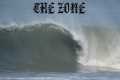
Surfers at Sharp Park Beach, Pacifica 11-30-25
0 View

- Publish Date:
- December 1, 2025
- Category:
- Surfing
- Video License
- Standard License
- Imported From:
- Youtube

We had some nice sets rolling in today and several surfers were out enjoying them. While the waves looked great and often looked like good waves to surf, they were often a bit frustrating as you can tell from the reactions of some of the surfers. I really enjoyed watching some of the expressions of exasperation. But they still managed to make the best of it and get some pretty nice rides in.
I had been watching surfers out the window for a lot of the morning, itching to get out there with my camera. But this morning my son was headed back to college and I wanted to be home with him until he left. By the time I got out there, the sun was higher and not illuminating the surfers and waves quite as nicely as earlier, but it was still pretty nice.
As usual, I recommend watching this on a large display and if your device supports it, make sure you're watching the 4k version.
-----------------------------------
Tidal Movements: Harnessing Ocean Currents and Lunar Forces for Sustainable Energy and Shoreline Protection
Understanding Tidal Movements and Their Origins
At the heart of tidal movements are the gravitational forces exerted by the moon and the sun, coupled with the Earth's rotation. These forces create predictable patterns of rising and falling sea levels known as tides. Understanding the mechanics behind tides and how they interact with ocean currents is essential for harnessing their potential as a sustainable energy source.
The Role of Lunar Gravity in Shaping Tidal Patterns
The moon's gravity plays a pivotal role in generating tidal forces. As the moon orbits the Earth, its gravitational pull creates bulges in the ocean's surface, resulting in high tides. Conversely, areas perpendicular to these bulges experience low tides. This cyclical process influences sea levels and drives the movement of ocean currents, forming the foundation for tidal energy generation.
Ocean Currents: The Movers of Tidal Energy
Ocean currents are continuous, directed movements of seawater generated by various factors, including wind, salinity, and temperature differences. These currents are integral to the distribution of marine life and nutrients. When combined with tidal forces, ocean currents create dynamic environments ripe for tidal energy extraction. By strategically placing turbines in these high-current areas, we can capture kinetic energy to produce clean electricity.
Sea Level and Its Impact on Coastal Communities
Rising sea levels, a consequence of climate change and thermal expansion, pose significant threats to coastal communities. Elevated sea levels exacerbate coastal erosion, increasing vulnerability to storms and flooding. Implementing tidal energy solutions not only provides sustainable power but also contributes to coastal protection by mitigating erosion through controlled water movement.
Combating Coastal Erosion with Sustainable Practices
Coastal erosion undermines infrastructure, natural habitats, and economies. Sustainable practices, such as restoring mangroves and constructing seawalls, can help counteract erosion. Integrating tidal energy projects with these initiatives offers a dual benefit: generating renewable energy while reinforcing coastal defenses against the relentless forces of nature.
The Promise of Tidal Energy for a Sustainable Future
Tidal energy stands out as a reliable and predictable form of renewable energy. Unlike wind or solar power, tides follow consistent schedules influenced by lunar cycles, ensuring a stable energy supply. Investing in tidal energy infrastructure not only reduces our dependence on fossil fuels but also paves the way for a greener, more resilient energy landscape.
Real-World Success Stories and Future Prospects
Countries like the United Kingdom and South Korea are leading the charge in tidal energy innovation, demonstrating successful implementations and significant energy outputs. These success stories highlight the viability and scalability of tidal energy projects. Looking forward, advancements in turbine technology and energy storage solutions promise to enhance the efficiency and economic feasibility of tidal energy, making it a cornerstone of global sustainability efforts.
Conclusion: Embracing Tidal Movements for a Better Tomorrow
Harnessing tidal movements offers a unique opportunity to tap into the Earth's natural rhythms for sustainable energy and coastal protection. By understanding and leveraging the intricate dance between tides, ocean currents, and lunar forces, we can create a harmonious balance between human needs and environmental stewardship. Embracing tidal energy not only addresses current energy challenges but also safeguards our shorelines for future generations.