MY BEST WAVES & MOMENTS OF 2025! (POV SURFING)
9,001 View

- Publish Date:
- January 6, 2026
- Category:
- Surfing
- Video License
- Standard License
- Imported From:
- Youtube
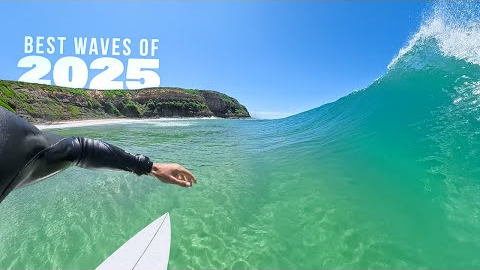
A full compilation of my best waves and moments from 2025 ⚡️ From all-time sessions to random moments, this video shares all the highlights from an epic year of surfing!
2025 was a massive year for me – especially going full-time as a content creator! I’m incredibly grateful for the waves I surfed, the people I met, and every one of you legends who watched, supported, and shared the journey with me. I hope you enjoy this one, and I can't wait to go bigger & better in 2026 📈🩵
Find me @surfingwithnoz on all Social Media platforms
Work with me: [email protected]
BOARD & FINS 🔽 (In order of appearance)
Chilli Surfboards – HKII: 5'6 x 19 ⅛ x 2 5/16 (25.80L)
Chilli Surfboards – Churro 2: 5'8 x 19 x 2 ¼ (25.40L)
Chilli Surfboards – Shortie: 5'9 x 18 5/8 x 2 3/8 (26.50L)
Chilli Surfboards – FAD3R: 5'9 x 18 ¾ x 2 5/16 (25.5L)
Chilli Surfboards – Volume II: 5'7 ½ x 18 ¾ x 2 5/16 (25.3L)
Chilli Surfboards – HKII (EPS): 5'6 x 19 ⅛ x 2 3/8 (26.50L)
Chilli Surfboards – Full Strength: 6'2 x 19 ½ x 2 ½ (32L)
Chilli Surfboards – A2: 5'9 x 18 5/8 x 2 ¼ (25.00L)
Chilli Surfboards – Rare Bird Evo: 5'9 x 19 5/8 x 2 7/16 (29.00L)
Chilli Surfboards – A2 (Secret Version): 5'10 x 18 5/8 x 2 ¼ (25.1L)
Fins: FCS II – AMs (Large)
PRODUCTS I USE (& CODES) ⬇️
SRFACE Wetsuits: https://bit.ly/NozSRFACE (Use code: NOZ10 for 10% off)
Chilli Surfboards: https://bit.ly/ChilliNoz (Use code: NOZ15 for 15% off *Australia Only*)
GoPro: https://prf.hn/l/MbWOeYz/ (Use code: NOZ10 for 10% off)
OTHER INFO ⬇️
● For my Online Surf Coaching, Newsletter & more – visit here: https://bio.site/surfingwithnoz
● Shot with the GoPro Hero 13 Black, DJI Osmo Action 5 Pro & Insta360 X5 in 4K 60FPS
● Edited by me using Final Cut Pro 💻
TIMESTAMPS
00:00 Intro (2025 Highlights)
00:41 January
01:49 February
02:38 March
03:28 April
05:40 May
08:17 June
08:52 July
09:30 August
10:47 September
11:37 October
12:52 November
15:15 December
15:46 Outro
#POVSurfing #SurfingHighlights #BestOf2025
SUBSCRIBE IF YOU MADE IT DOWN HERE 🩵
╔═╦╗╔╦╗╔═╦═╦╦╦╦╗╔═╗
║╚╣║║║╚╣╚╣╔╣╔╣║╚╣═╣
╠╗║╚╝║║╠╗║╚╣║║║║║═╣
╚═╩══╩═╩═╩═╩╝╚╩═╩═╝
This video is a full highlight reel of my best surfing from 2025, featuring the best Surfing With Noz clips, my best waves and moments of the year, and my favourite POV surfing footage. It includes raw POV surfing, follow cams, land angles, and drone shots, bringing together the top surfing moments from across the year in one compilation. This is the best of Surfing With Noz 2025, showcasing a wide range of sessions, conditions, and perspectives from an unforgettable year in the water.
-----------------------------------
Exploring Water Temperature Trends: Seasonal Variations, Ocean Warming, and the Future of Marine Ecosystems
Water temperature trends are a critical indicator of our planet's health. As we navigate the complexities of climate change, understanding how water temperatures fluctuate and affect marine life becomes increasingly important. This article delves into the seasonal variations, ocean warming, and the future of marine ecosystems, providing actionable insights and valuable information on this pressing issue.
Climate Change: The Driving Force Behind Changing Water Temperatures
Climate change is at the forefront of altering water temperature trends globally. Rising global temperatures lead to warmer oceans, which in turn affect weather patterns, sea levels, and marine biodiversity. The connection between atmospheric temperatures and oceanic changes is undeniable, and addressing climate change is essential for mitigating its impact on water temperatures.
Ocean Warming: Impacts on Marine Life and Ecosystems
Ocean warming poses significant threats to marine ecosystems. Increased temperatures can lead to coral bleaching, disrupt fish migration patterns, and reduce oxygen levels in the water. These changes not only harm marine species but also affect human communities that rely on the ocean for food, recreation, and economic activities. Understanding ocean warming is crucial for developing strategies to protect and preserve marine life.
Seasonal Variations: Understanding the Natural Fluctuations
Seasonal variations play a significant role in water temperature trends. Different seasons bring about changes in sunlight, precipitation, and wind patterns, all of which influence water temperatures. For example, summer months typically see higher sea surface temperatures, while winter brings cooler waters. Recognizing these natural fluctuations helps differentiate between regular seasonal changes and long-term trends caused by climate change.
Thermal Pollution: Human Activities Altering Water Temperatures
Thermal pollution, often resulting from industrial processes and urban runoff, introduces excess heat into water bodies. This artificial heating can disrupt local ecosystems, harming aquatic life and altering natural temperature patterns. By minimizing thermal pollution through better regulation and sustainable practices, we can help maintain healthier water temperatures and protect marine environments.
The Hydrological Cycle: Its Role in Modulating Water Temperatures
The hydrological cycle is a fundamental process that influences water temperatures. Evaporation, condensation, and precipitation work together to distribute heat energy across the globe. Changes in the hydrological cycle, driven by climate change, can alter water temperatures in both freshwater and marine systems. Understanding this cycle is essential for predicting and managing future temperature trends.
Marine Ecosystems: Adapting to Changing Water Temperatures
Marine ecosystems are highly sensitive to changes in water temperatures. As temperatures rise, species must adapt, migrate, or face the risk of extinction. Coral reefs, often referred to as the "rainforests of the sea," are particularly vulnerable to warming waters. Protecting these ecosystems requires comprehensive strategies that address both the causes and effects of changing water temperatures.
Future Outlook: Navigating the Challenges Ahead
Looking ahead, the future of marine ecosystems hinges on our ability to address water temperature trends effectively. Implementing sustainable practices, reducing greenhouse gas emissions, and investing in research are critical steps toward mitigating the adverse effects of climate change on water temperatures. By staying informed and proactive, we can work towards a more resilient and thriving marine environment.
In conclusion, water temperature trends offer valuable insights into the health of our planet. By understanding the interplay between climate change, ocean warming, seasonal variations, thermal pollution, the hydrological cycle, and marine ecosystems, we can develop informed strategies to protect and sustain our marine environments for future generations.