HALEIWA IS UNREAL🌪️| Non-Stop Big Sets for JJF, Zeke, Kanoa & Koa Smith | 1/20/26 North Shore Hawaii
1,317 View

- Publish Date:
- January 31, 2026
- Category:
- Surfing
- Video License
- Standard License
- Imported From:
- Youtube
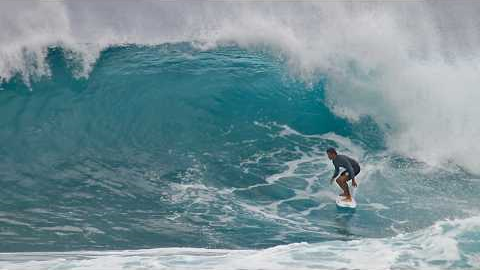
Haleiwa was absolutely pumping today! Stormy but massive.
It felt like a WSL final heat out there with John John Florence, Kanoa Igarashi, Zeke Lau, and Koa Smith all trading blows on non-stop sets.
Things got absolutely CRAZY at Haleiwa today! 🌊🌪️
The North Shore was delivering massive, stormy sets that just didn't stop. It felt like a world-class final with an incredible lineup: John John Florence, Kanoa Igarashi, Zeke Lau, Koa Smith, and many more elite surfers were all out there pushing the limits.
Seeing this much talent in such heavy conditions was pure gold. The energy at the beach was electric! 🤙✨
Surfers Featured:
John John Florence (@john_john_florence)
Kanoa Igarashi (@kanoaigarashi)
Zeke Lau (@zekelau)
Koa Smith (@koasmith)
and the heavy North Shore crew!
📍 Location: Haleiwa, North Shore, Hawaii
🎥 Filmed by: Surf Kawela Hawaii
Mahalo for watching! If you want to see the raw reality of the North Shore, make sure to SUBSCRIBE and hit the notification bell! 🔔🏽
#Haleiwa #NorthShore #Surfing #JohnJohnFlorence #KanoaIgarashi #ZekeLau #KoaSmith #BigWaves #HawaiiSurf #SurfKawelaHawaii #StormSurf #SurfReport
-----------------------------------
Beach Safety Guidelines: Lifeguard Tips, Sun Protection, Water Safety, Rip Currents, First Aid & Emergency Procedures
Spending a day at the beach is a favorite pastime for many, offering sun, sand, and surf. However, ensuring safety for yourself and your loved ones is paramount. Whether you're a seasoned beachgoer or planning your first seaside adventure, understanding beach safety guidelines can make all the difference between a fun day and an unexpected mishap.
Lifeguard Tips
Always pay attention to lifeguard warnings and instructions. Lifeguards are trained to spot potential dangers early, such as strong rip currents or sudden changes in weather. They provide invaluable advice on safe swimming areas and can alert you to hazards you might not notice from the shore.
- Observe the Flags: Different colored flags signal specific conditions. Red usually means dangerous water conditions, while green indicates safe swimming areas.
- Heed the Warnings: If a lifeguard signals to stay out of the water, respect their authority and find an alternative activity.
Sun Protection
Protecting yourself from the sun is crucial to avoid sunburns, heatstroke, and long-term skin damage. Applying sunscreen regularly and seeking shade can help you enjoy the beach without the harmful effects of UV rays.
- Use Broad-Spectrum Sunscreen: Choose a sunscreen with at least SPF 30 and reapply every two hours, or more often if you're swimming or sweating.
- Wear Protective Clothing: Hats, sunglasses, and long-sleeved shirts can provide additional protection against the sun.
Water Safety
Understanding water safety is essential for preventing accidents. Whether you're swimming, surfing, or engaging in other water activities, knowing the basics can save lives.
- Swim Within Your Limits: Even if you're a strong swimmer, never underestimate the power of ocean currents and waves.
- Stay Hydrated: Dehydration can impair your judgment and physical abilities, making it harder to stay safe in the water.
Rip Currents
Rip currents are powerful, narrow channels of water that can pull swimmers away from the shore. Recognizing and knowing how to handle rip currents is vital for beach safety.
- Identify Rip Currents: Look for areas where waves are breaking strongly offshore or paths of choppy, disorganized water.
- What to Do If Caught: Stay calm, conserve energy, and swim parallel to the shore until you're out of the current, then return to the beach at an angle.
First Aid
Minor injuries can happen even on the safest beaches. Being prepared with first aid knowledge can help you address issues promptly and effectively.
- Basic Supplies: Keep a first aid kit handy with bandages, antiseptics, and other essentials.
- Learn CPR: Knowing CPR can be lifesaving in emergencies where someone isn't breathing or has no pulse.
Emergency Procedures
Having a plan for emergencies can significantly improve outcomes during unexpected situations. Familiarize yourself with local emergency procedures before heading to the beach.
- Know the Location of Help: Identify the nearest lifeguard station, medical facility, and evacuation routes.
- Stay Informed: Keep a fully charged phone or a whistle to call for help if needed.
Remember the last time you enjoyed a day at the beach without a hitch? Chances are, it was because you followed these safety guidelines. By staying aware, prepared, and respectful of the ocean's power, you can create memorable and safe beach experiences for everyone involved. So next time you pack your beach bag, make sure safety essentials are on the list—it’s a small step that leads to a big peace of mind.
Did you miss our previous article...
https://trendinginhawaii.com/surfing/inside-the-wsls-latest-venue-switch